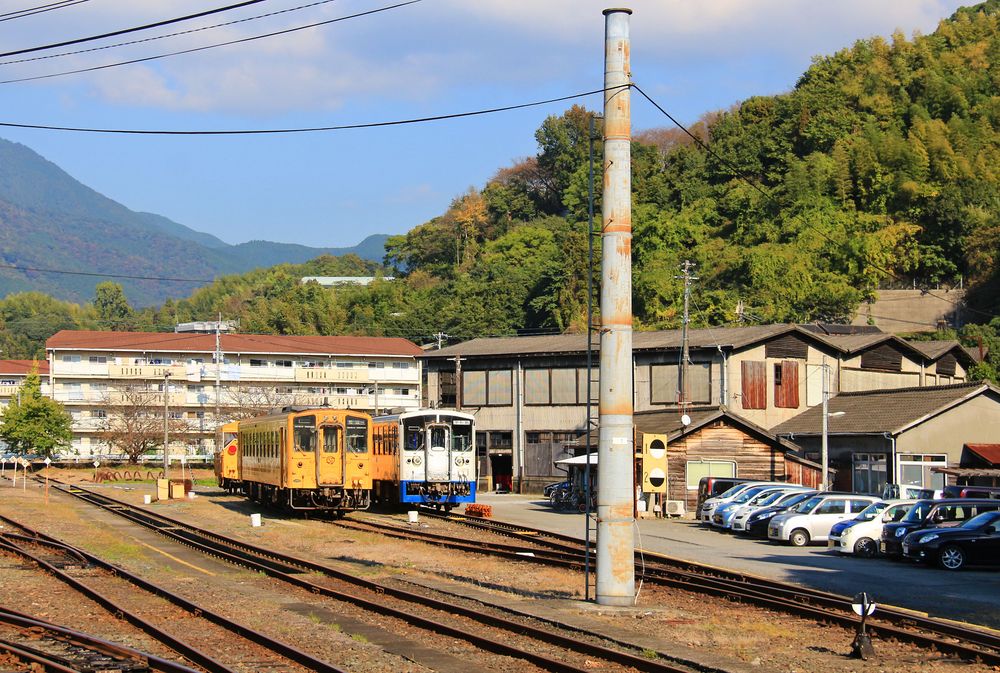
Yodo-sen 予土線
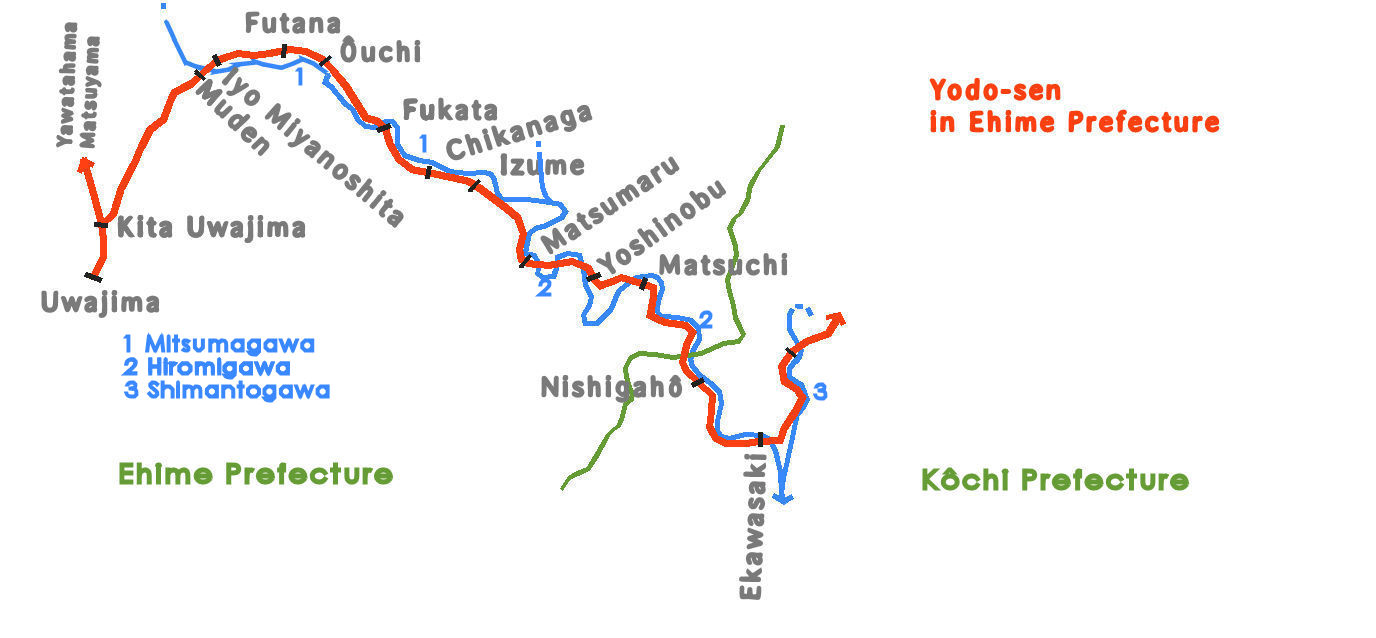
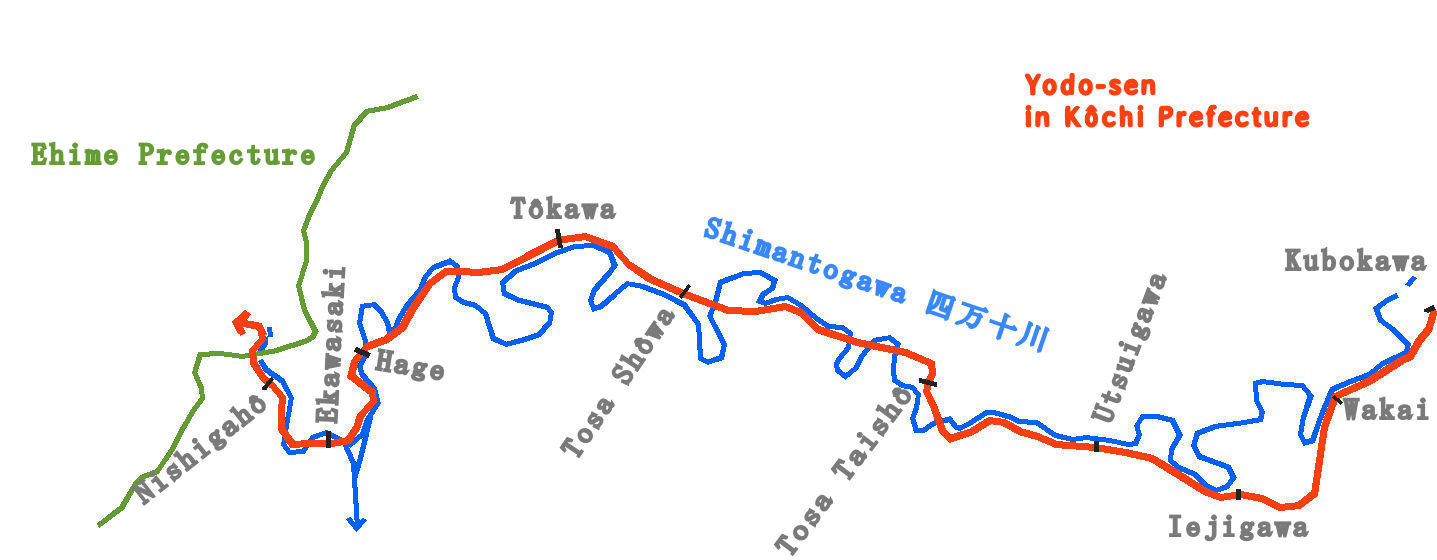
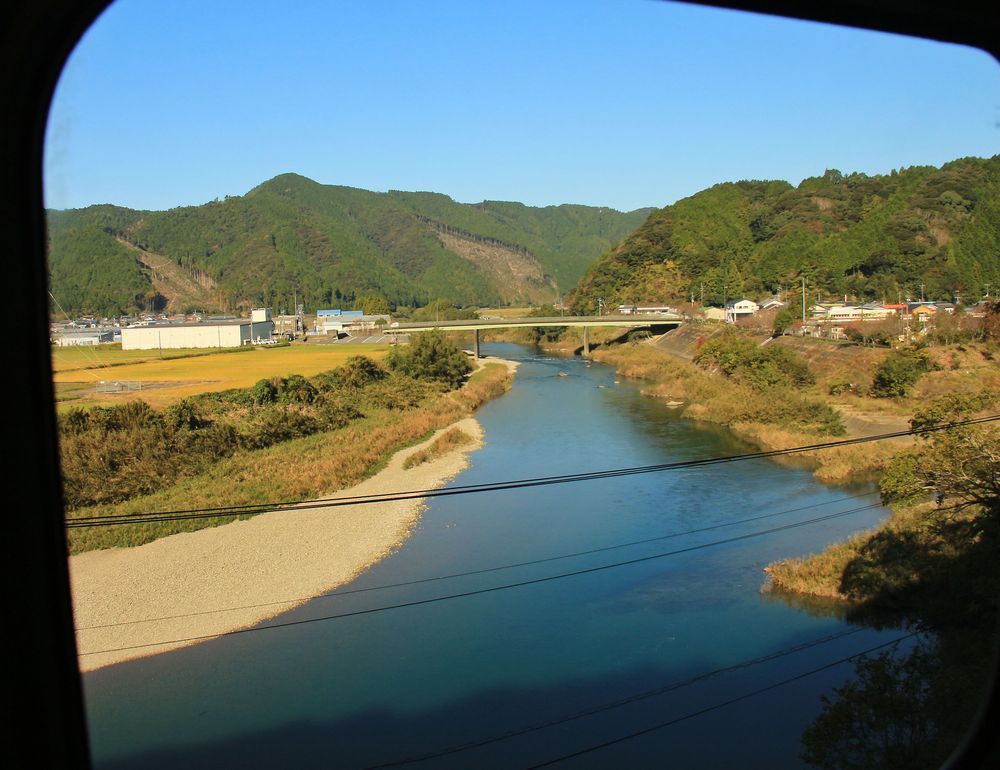
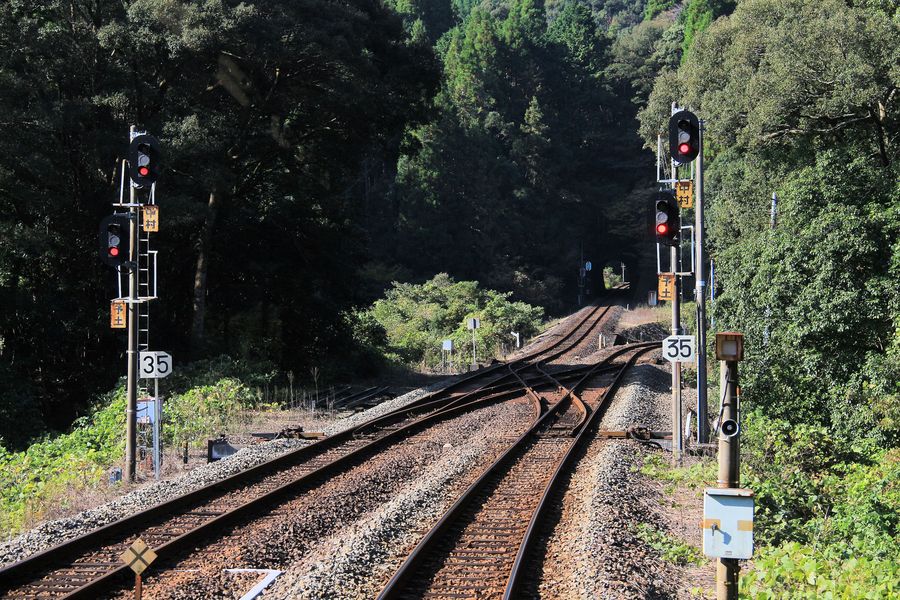
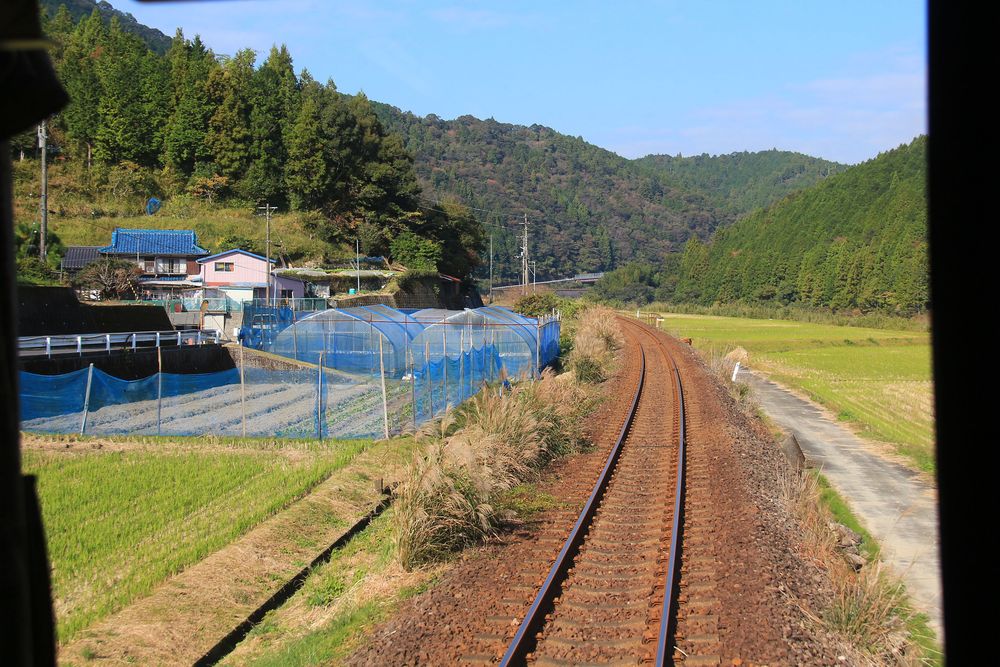
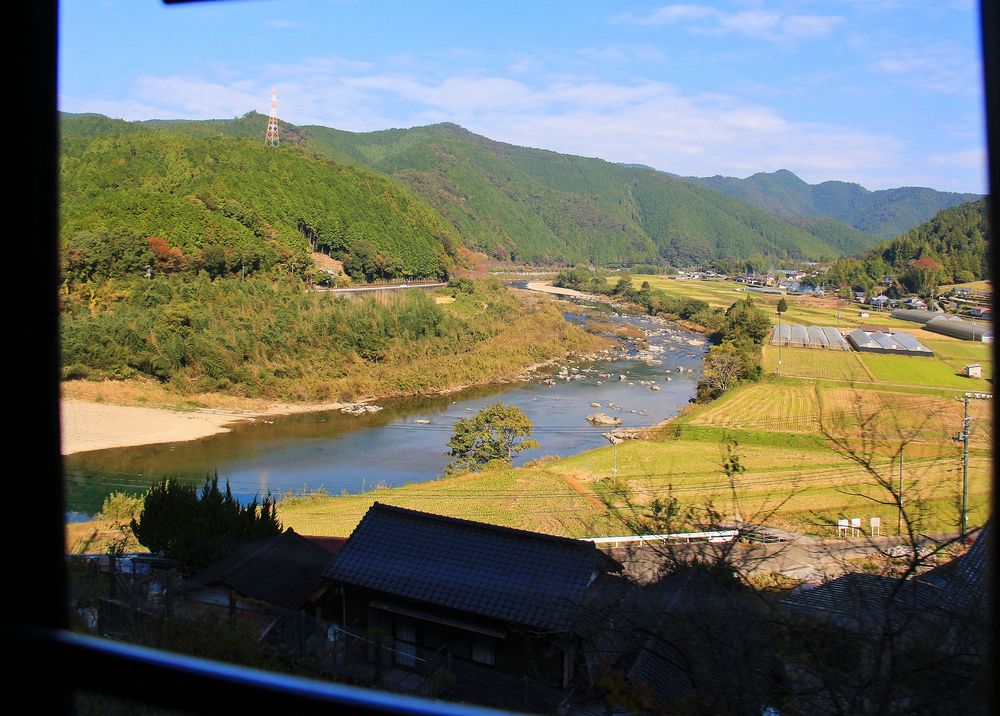
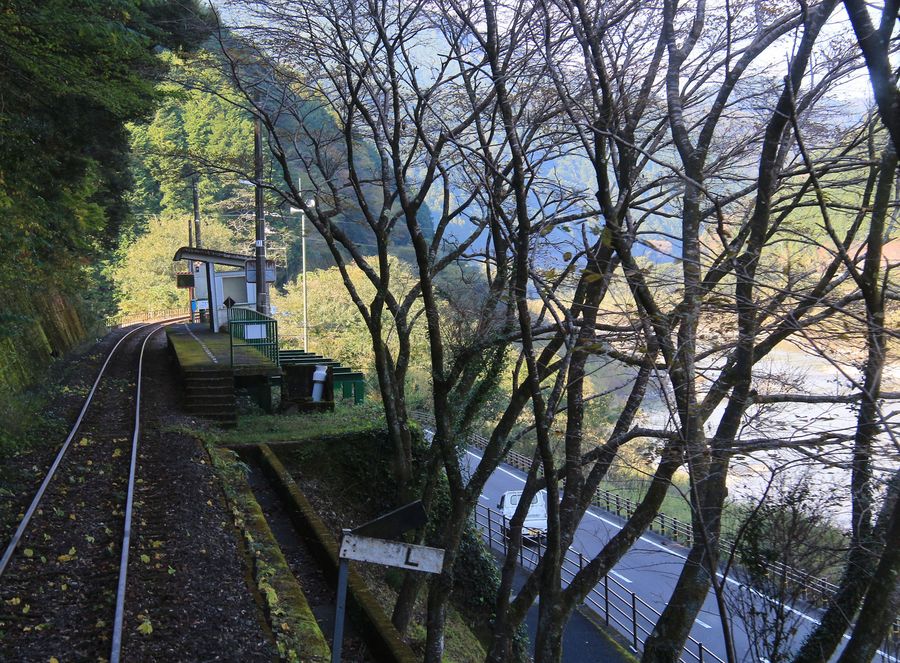
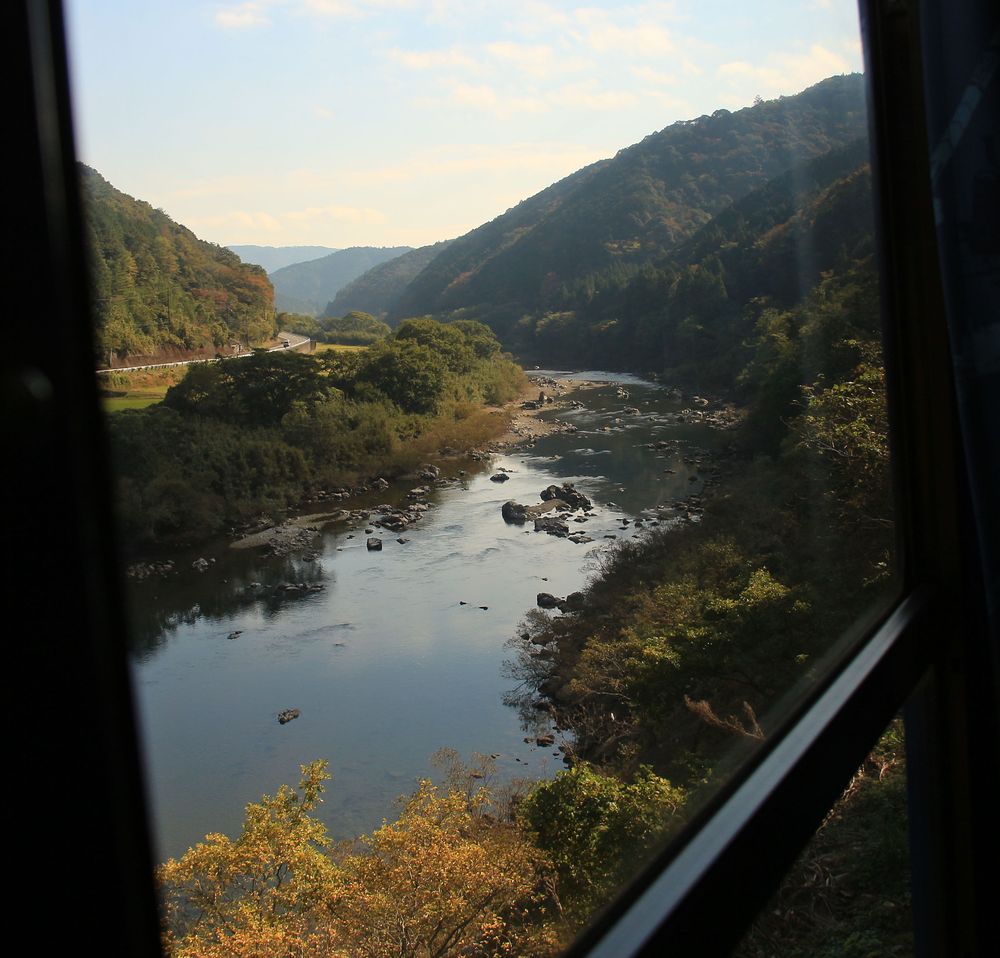
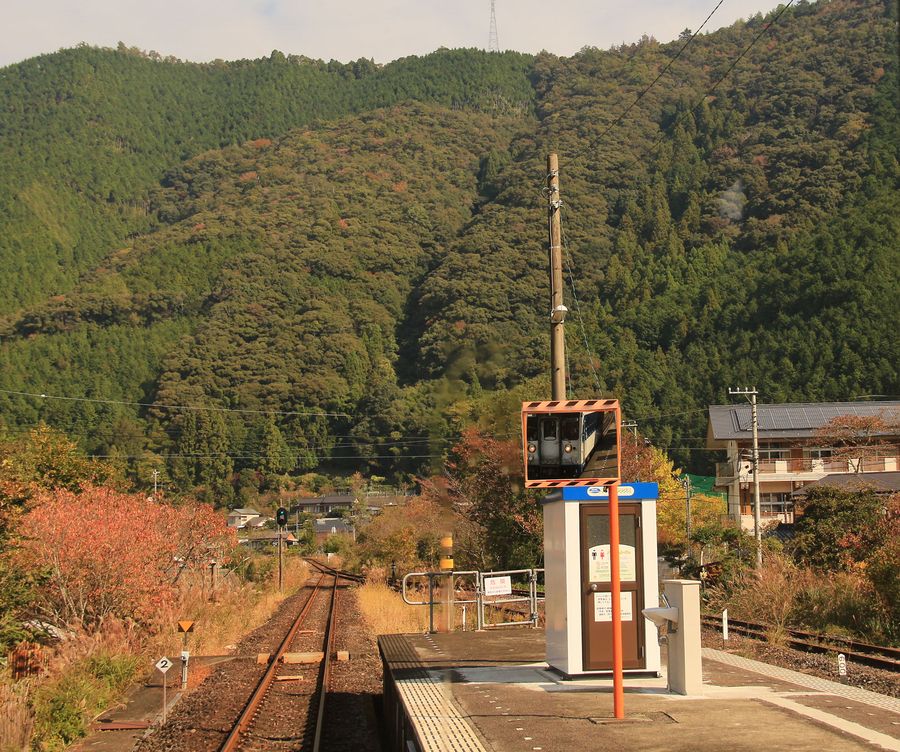
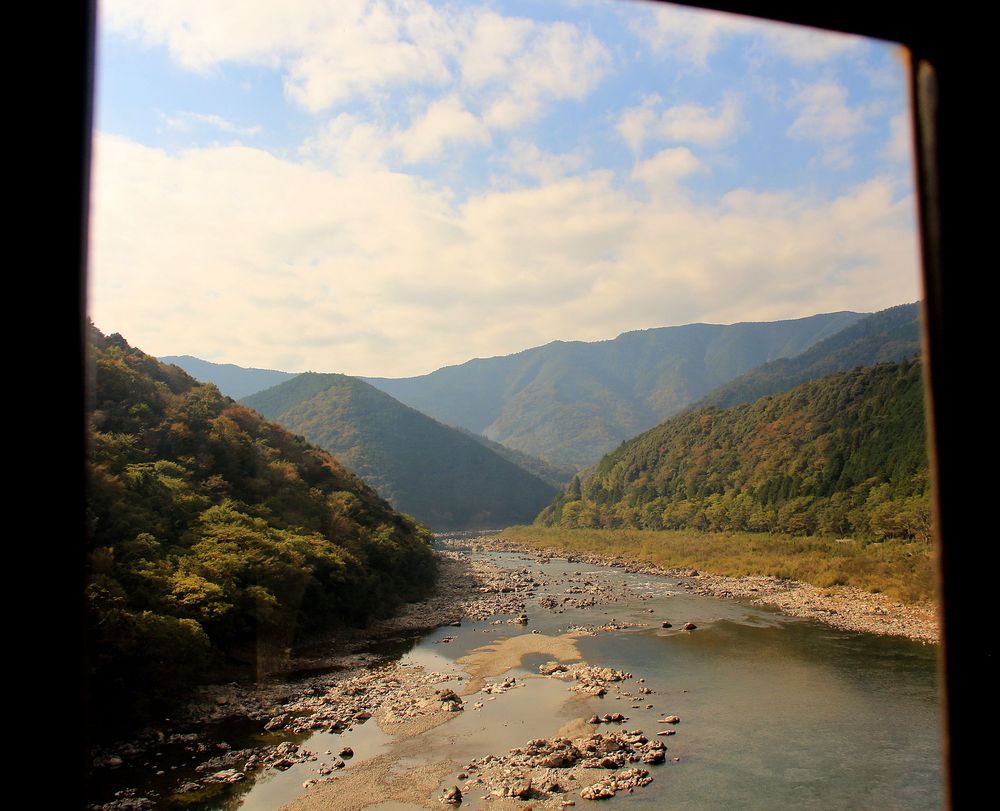
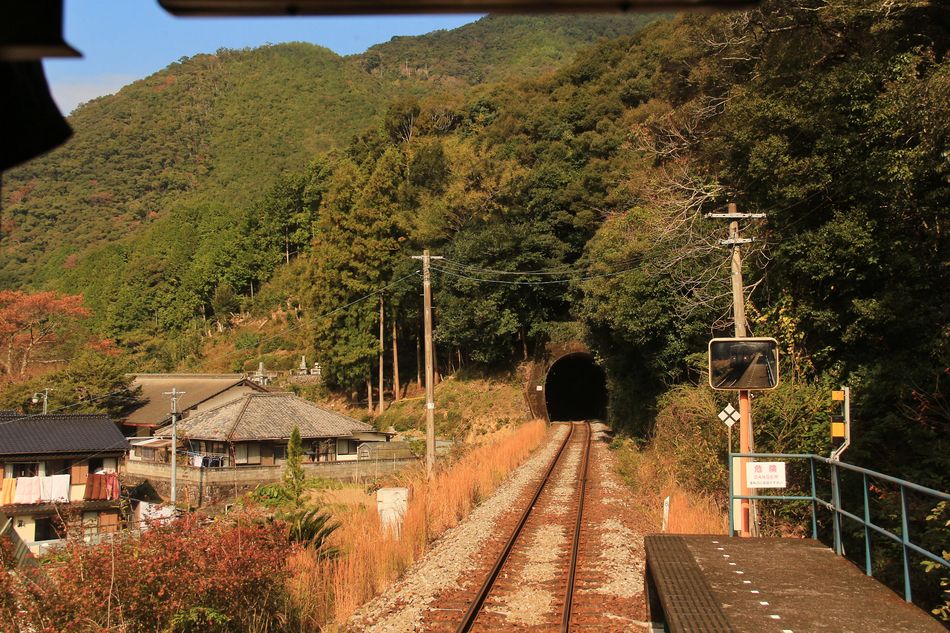
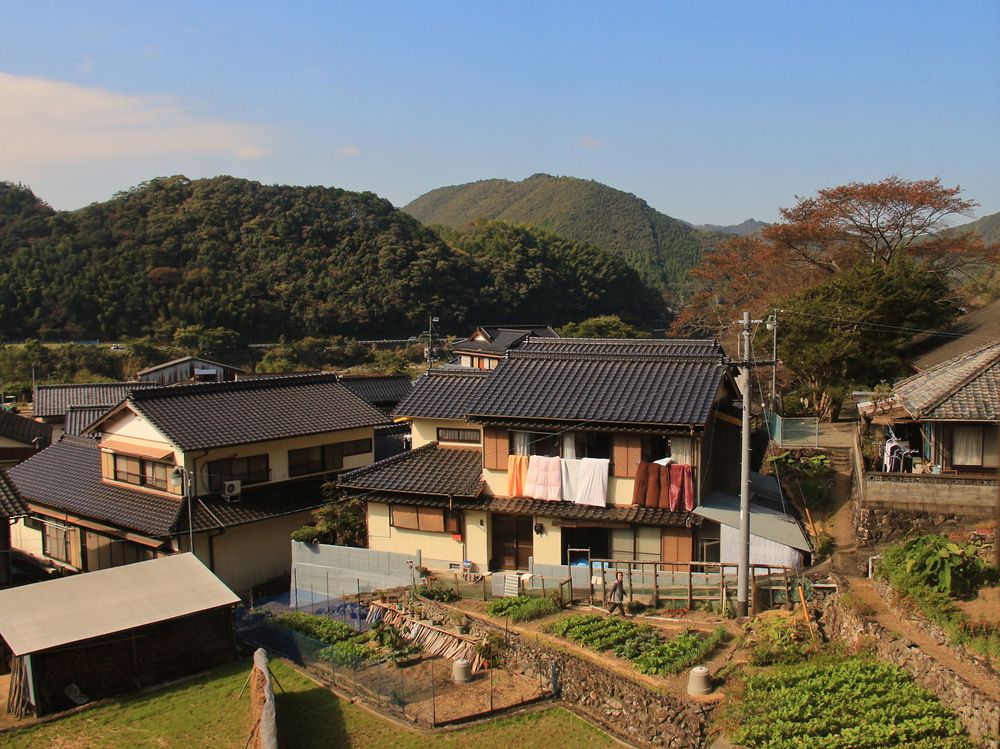
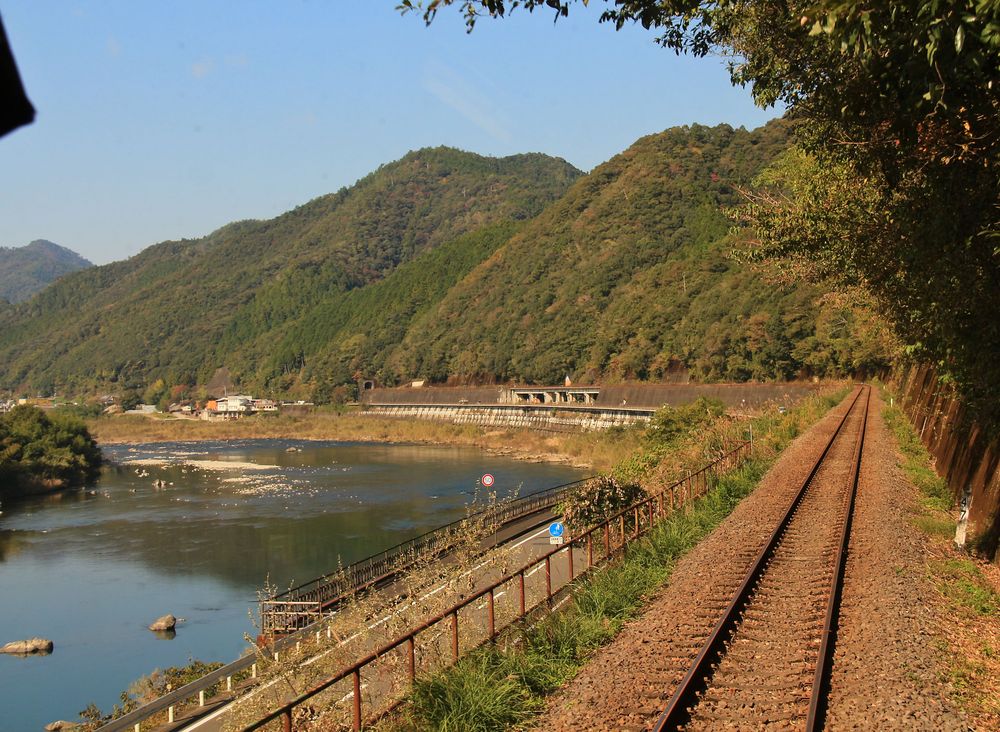
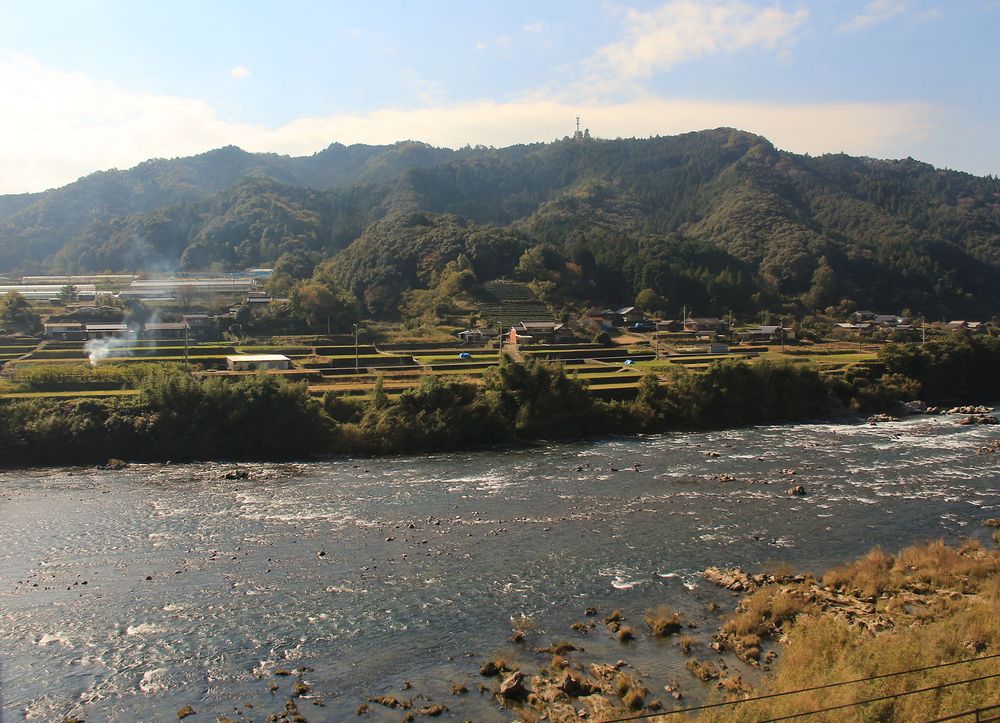
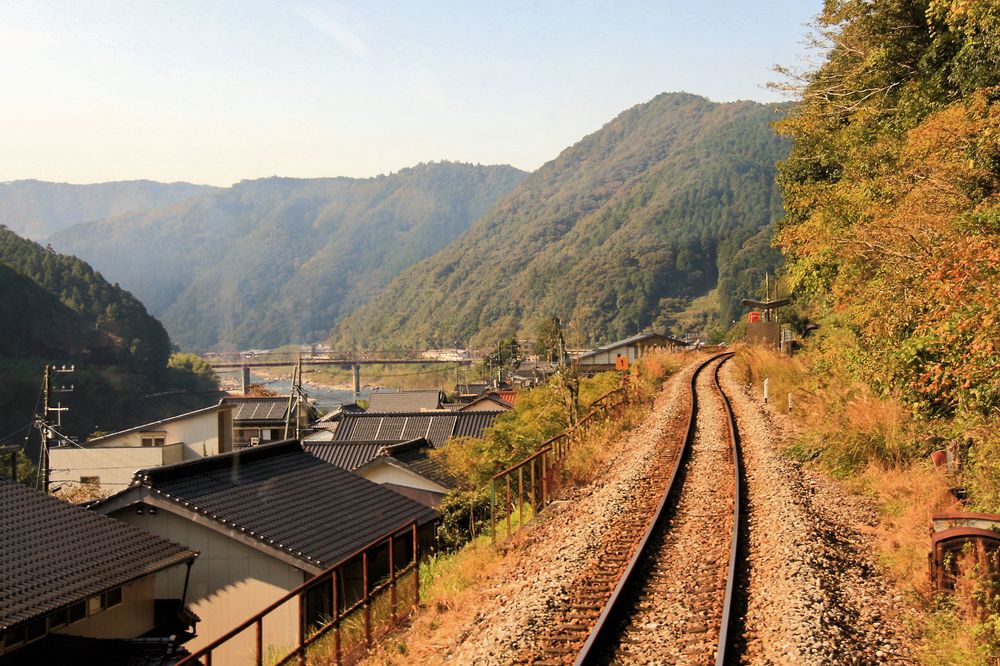
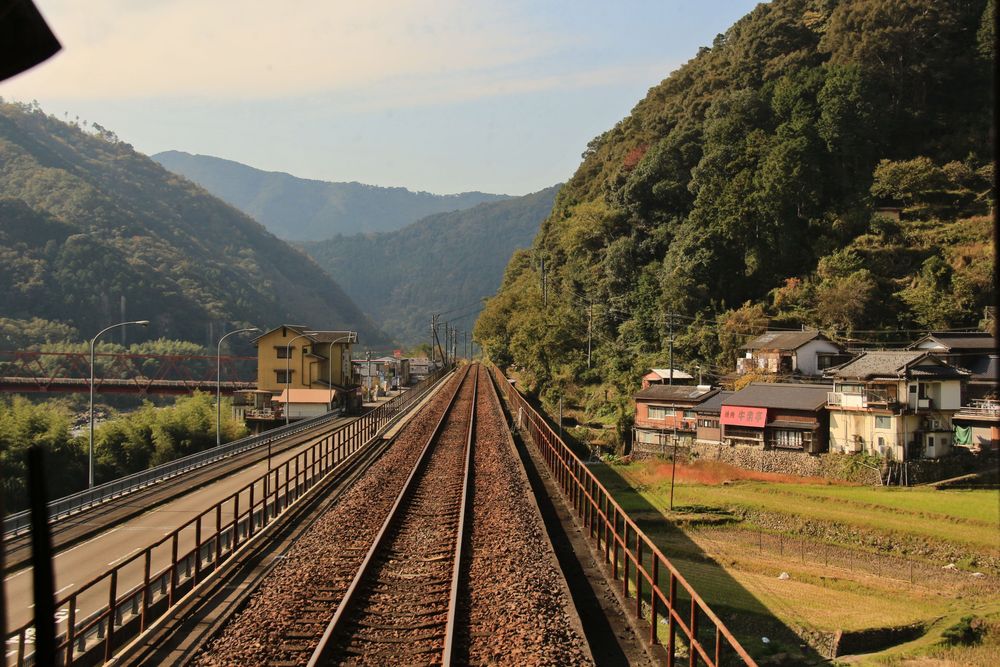
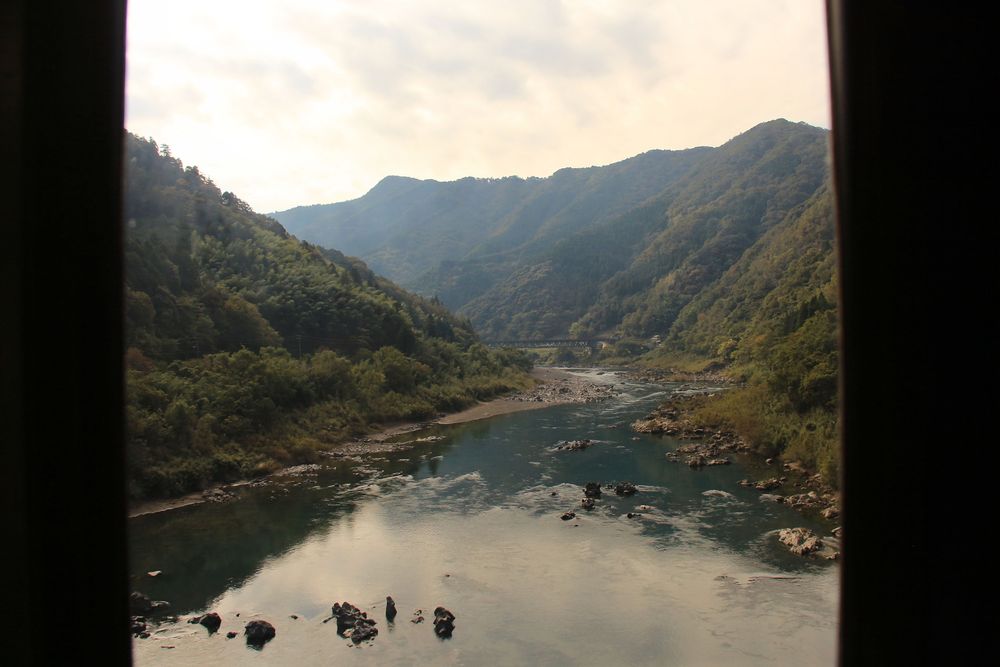
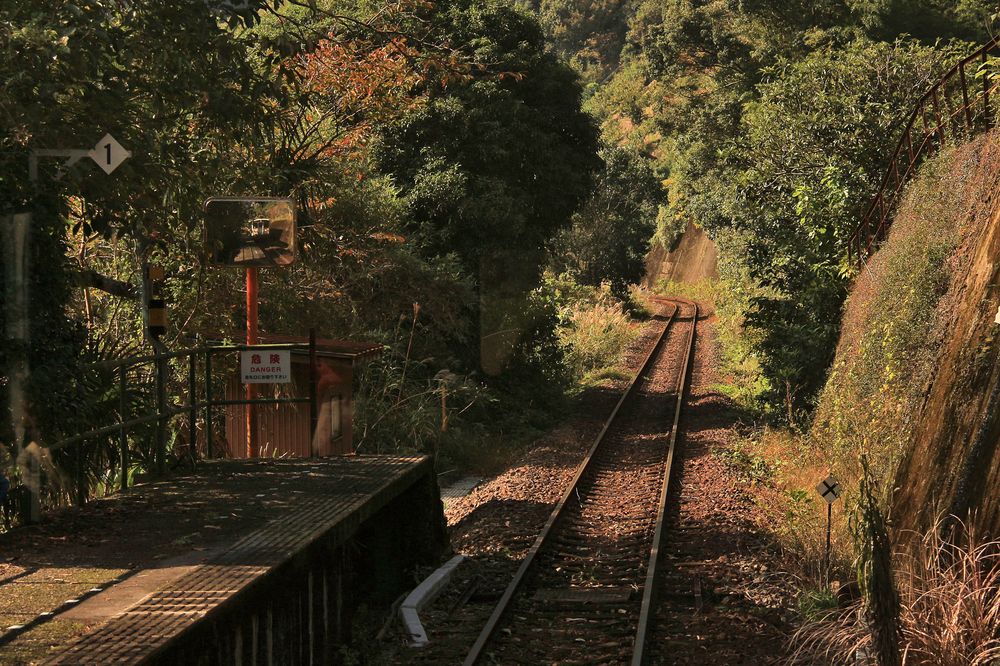
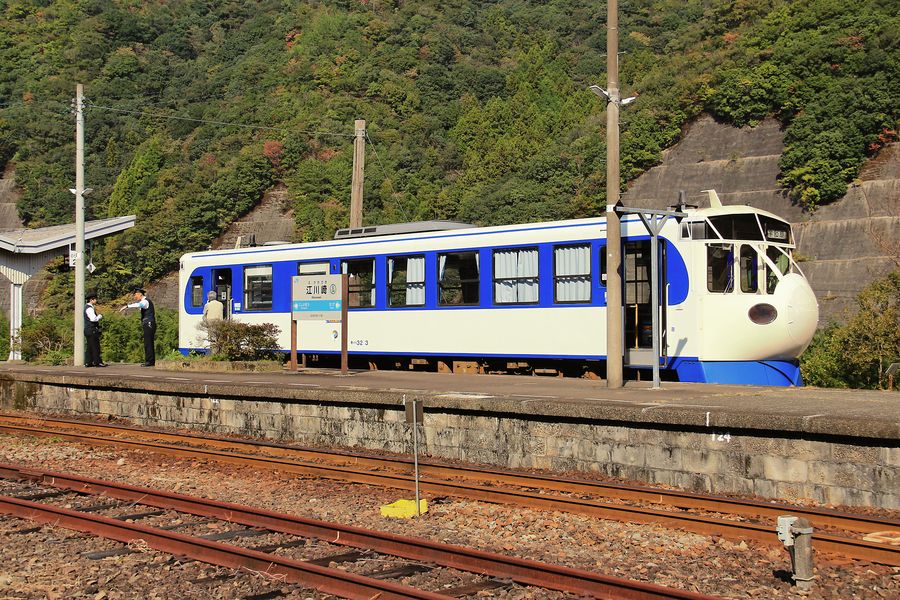
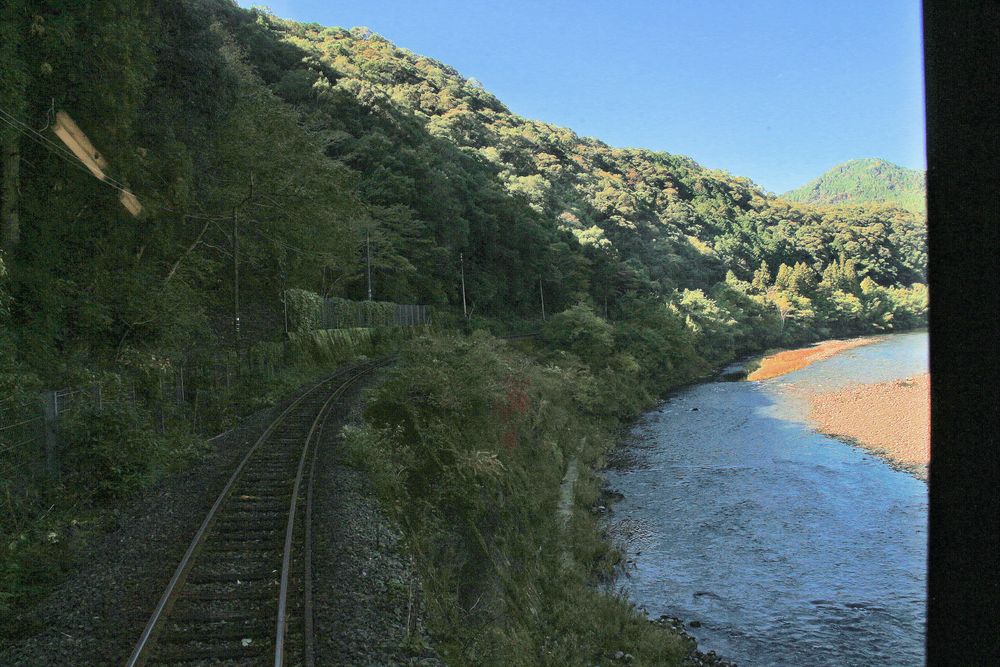
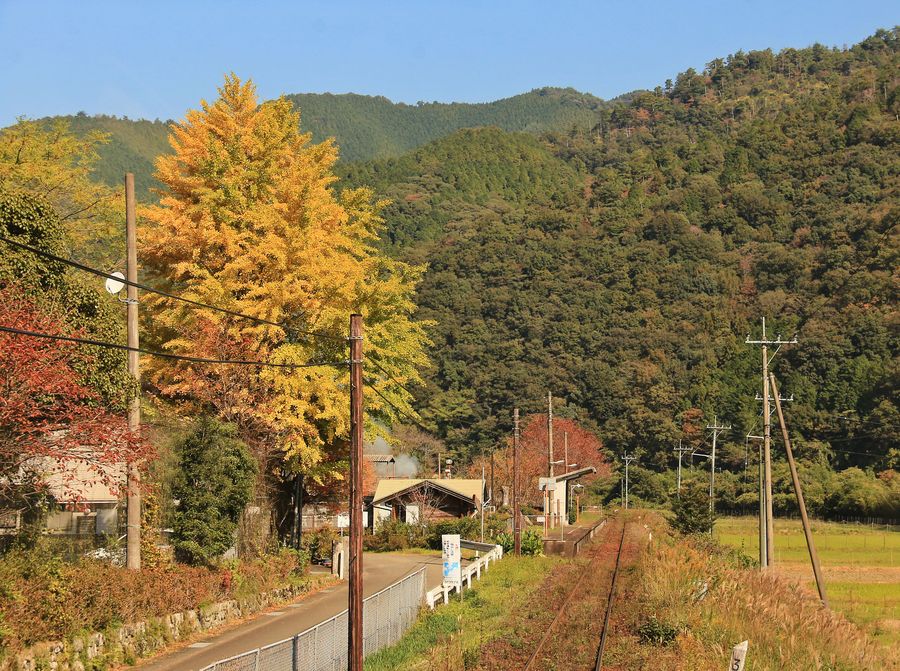
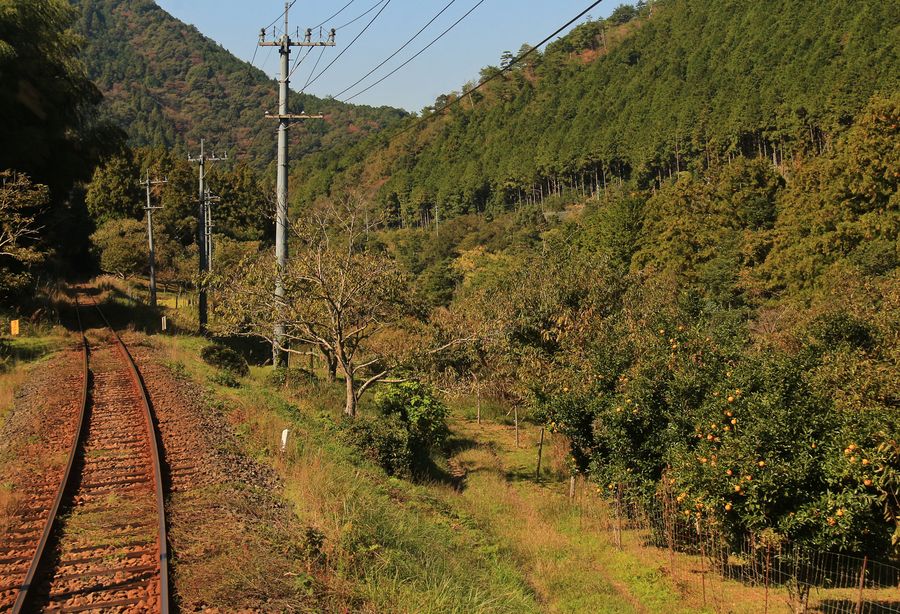
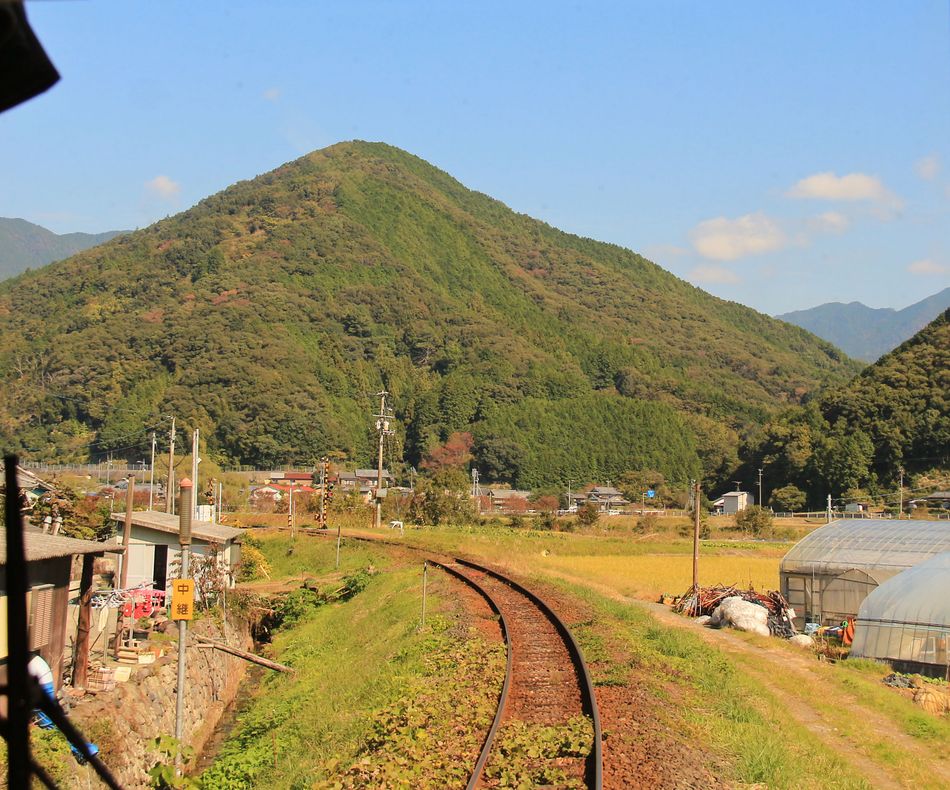
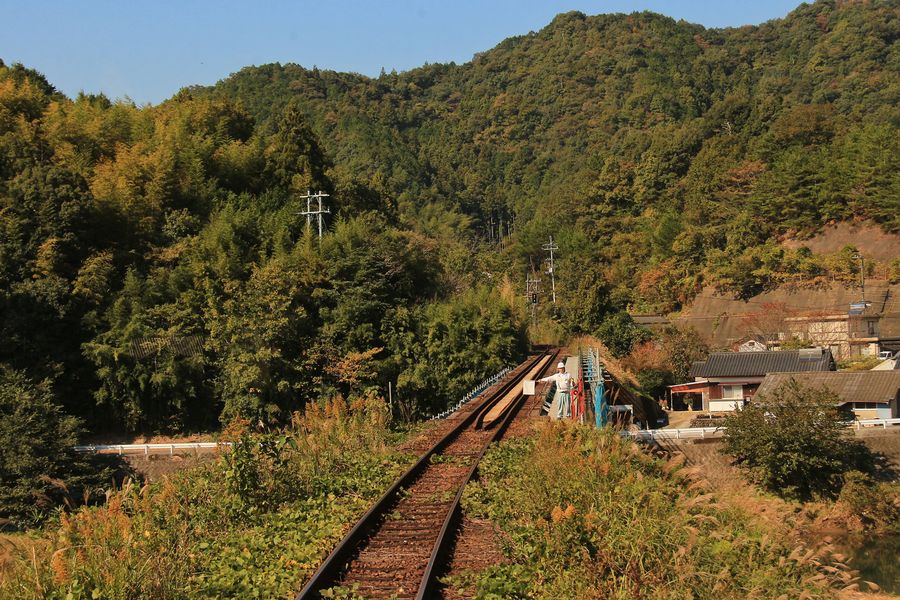
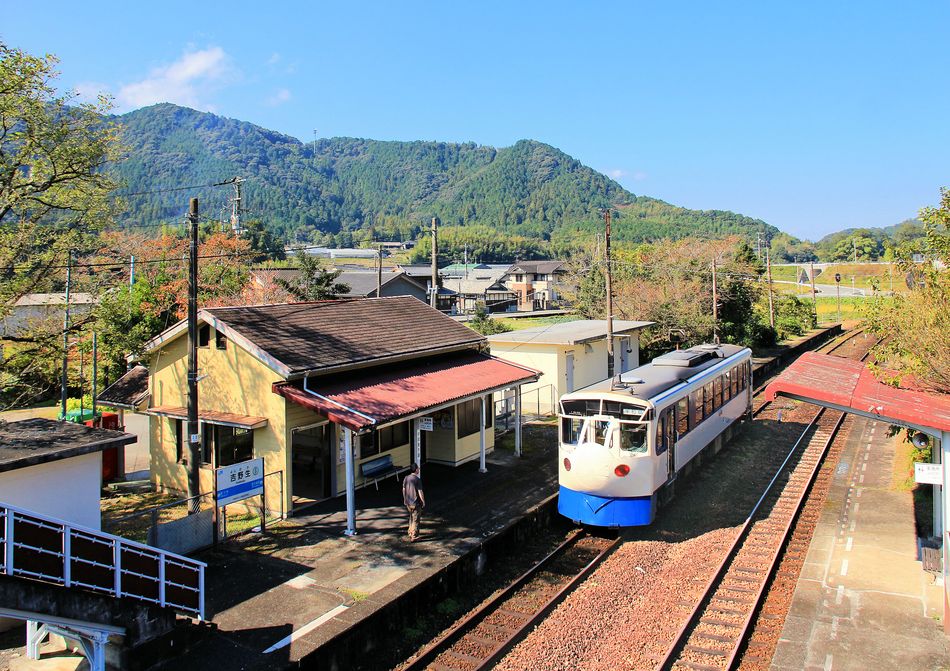
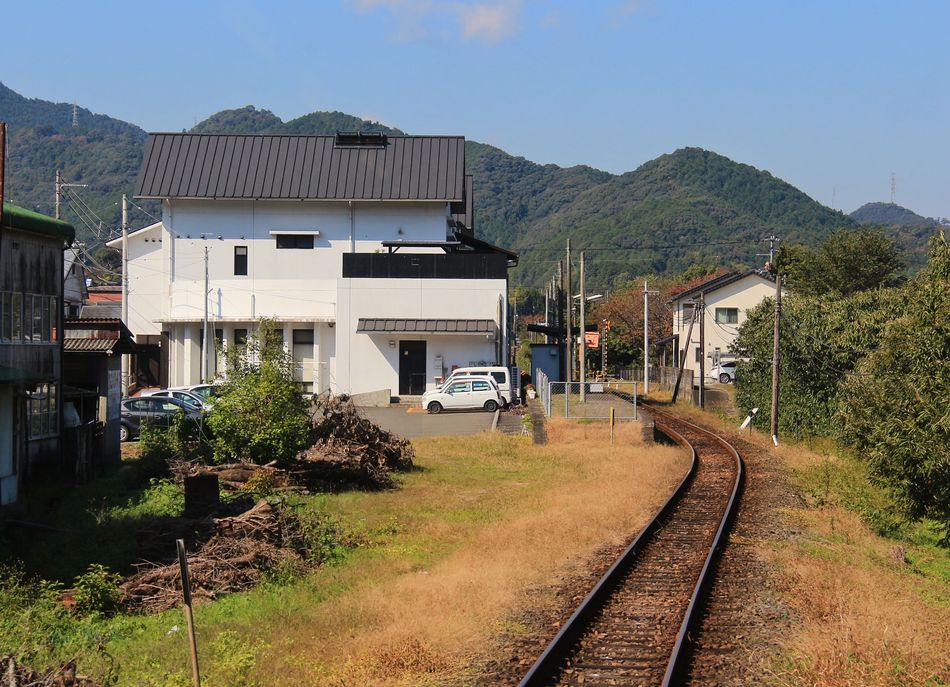
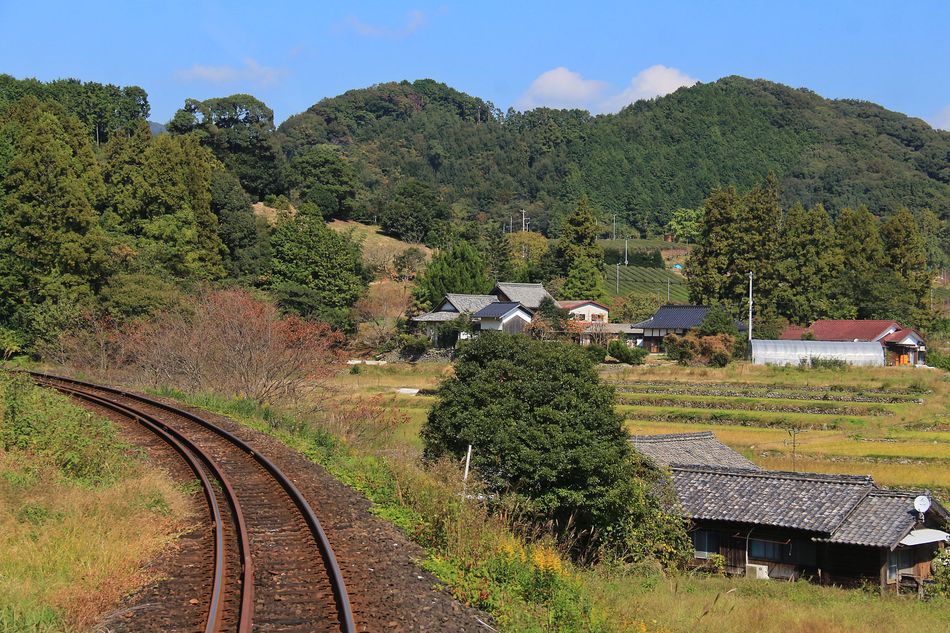
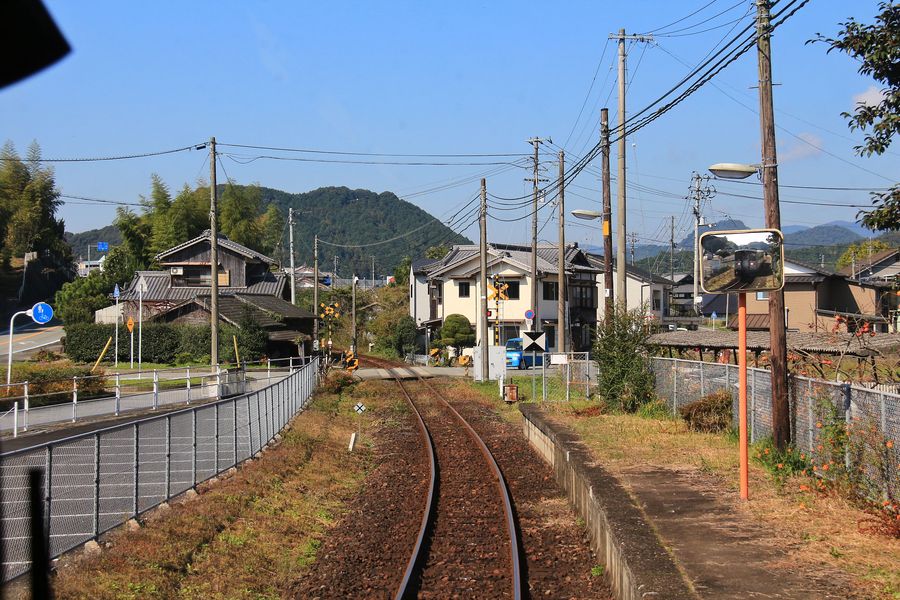
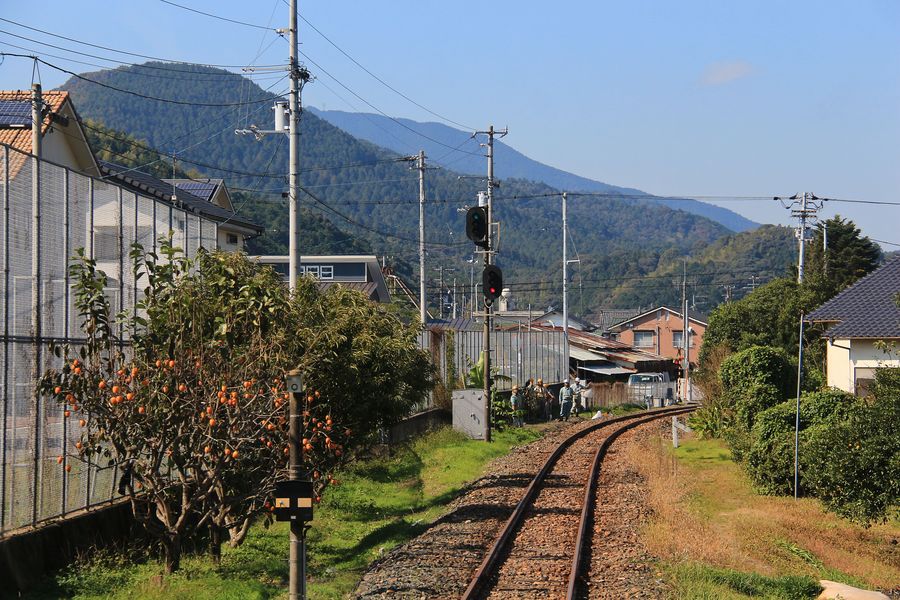
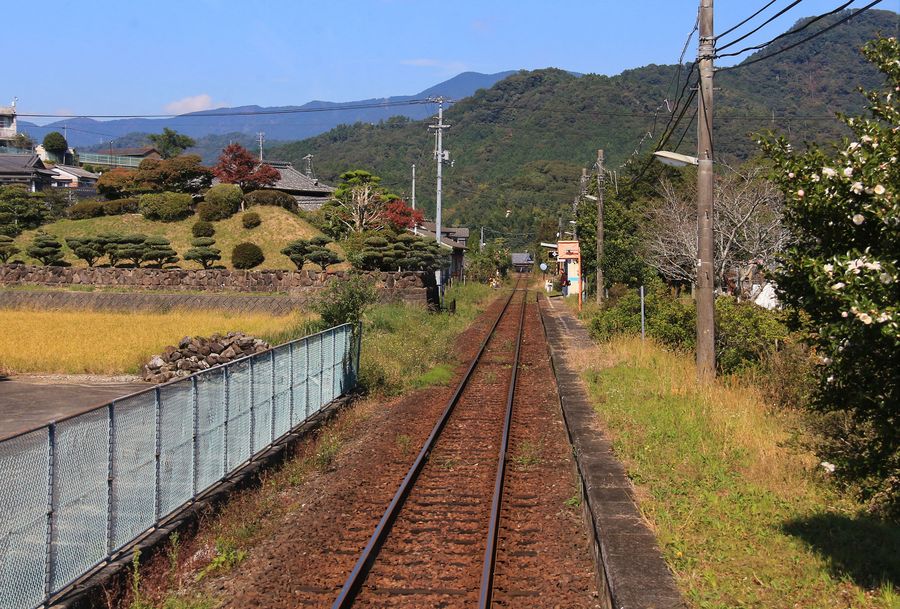
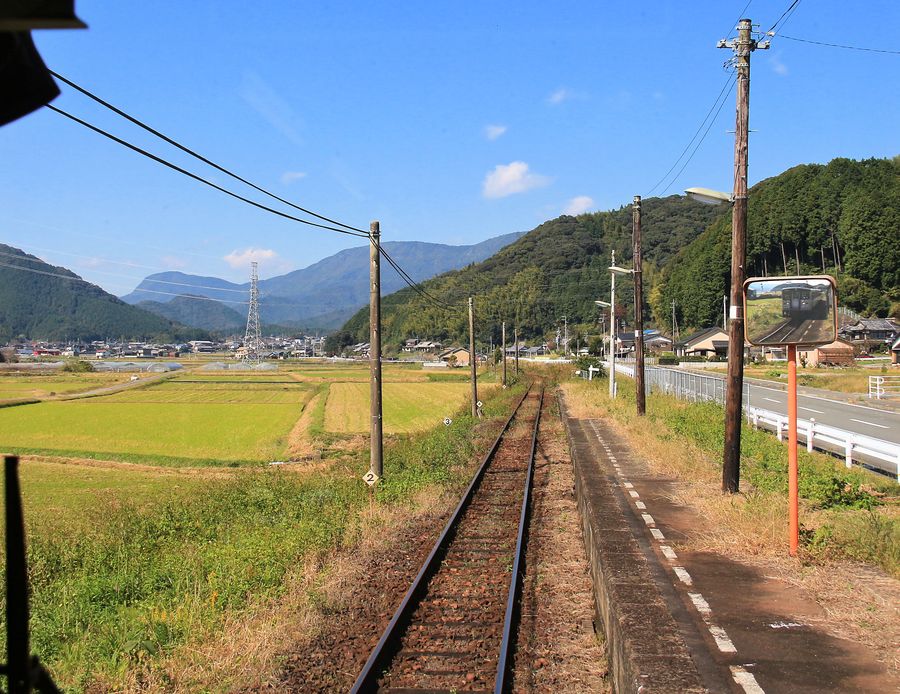
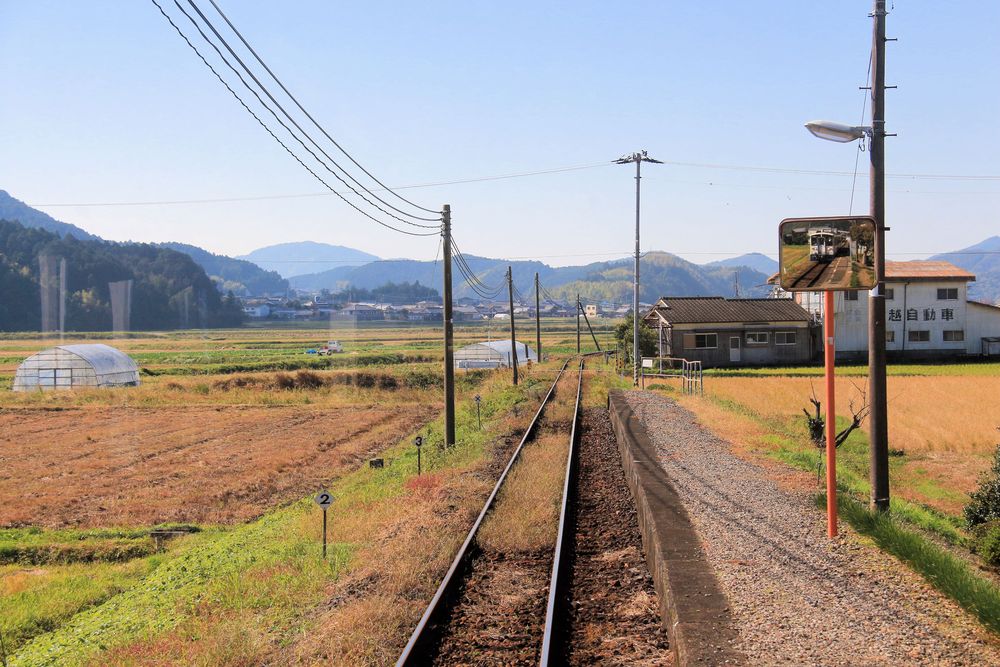
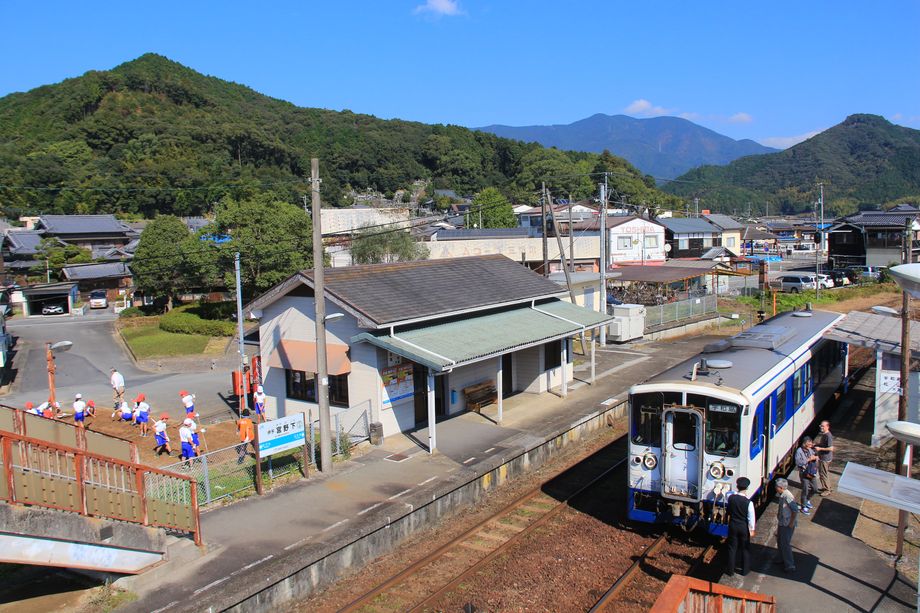
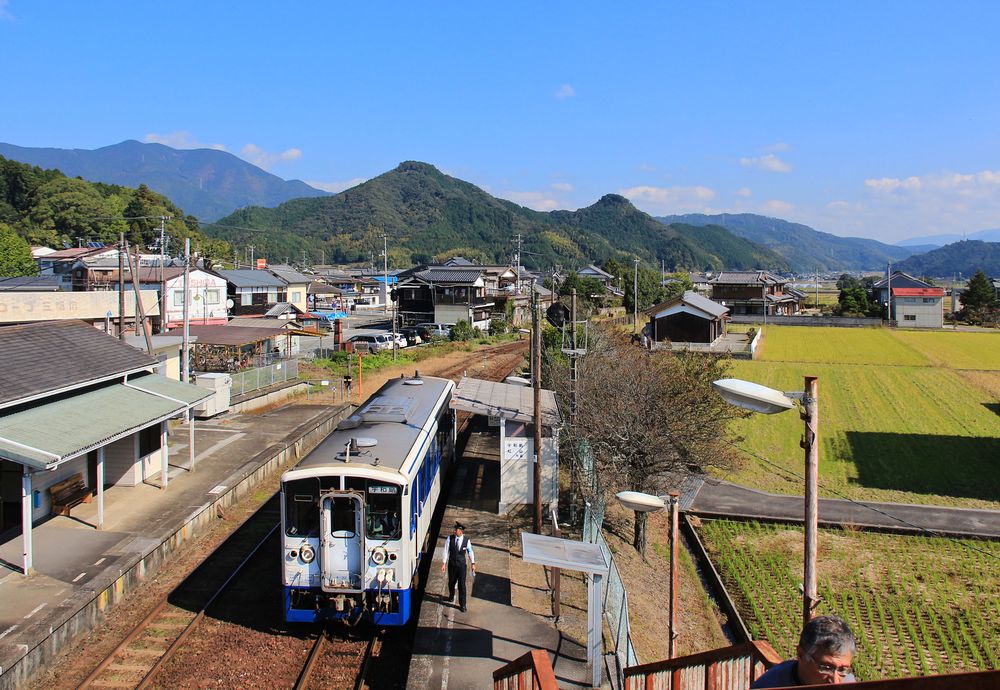
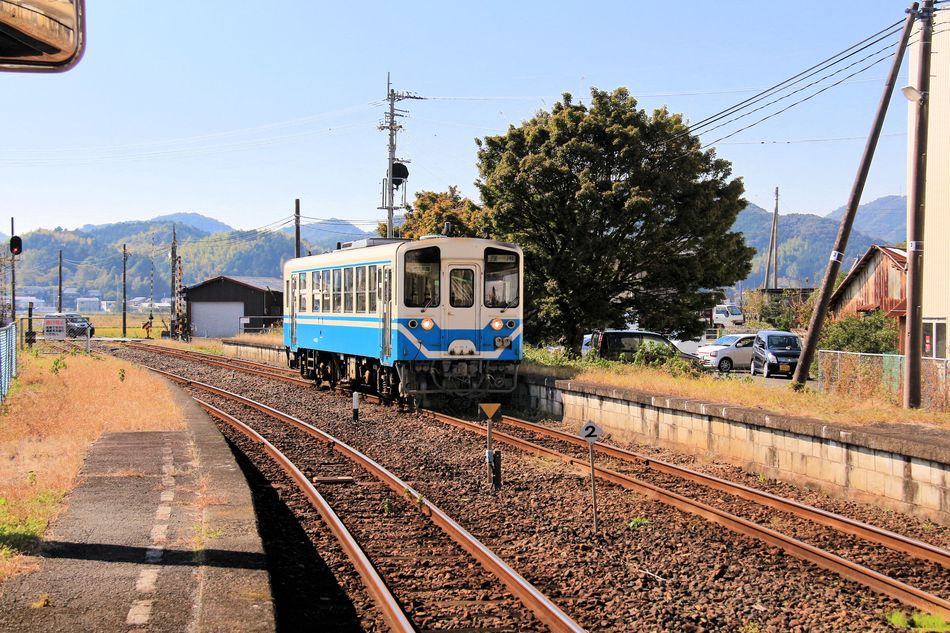
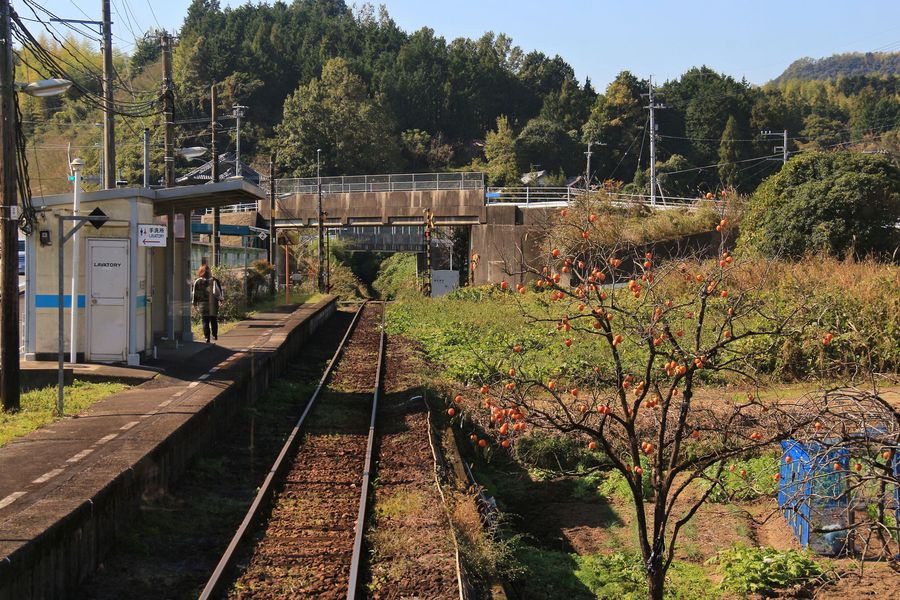
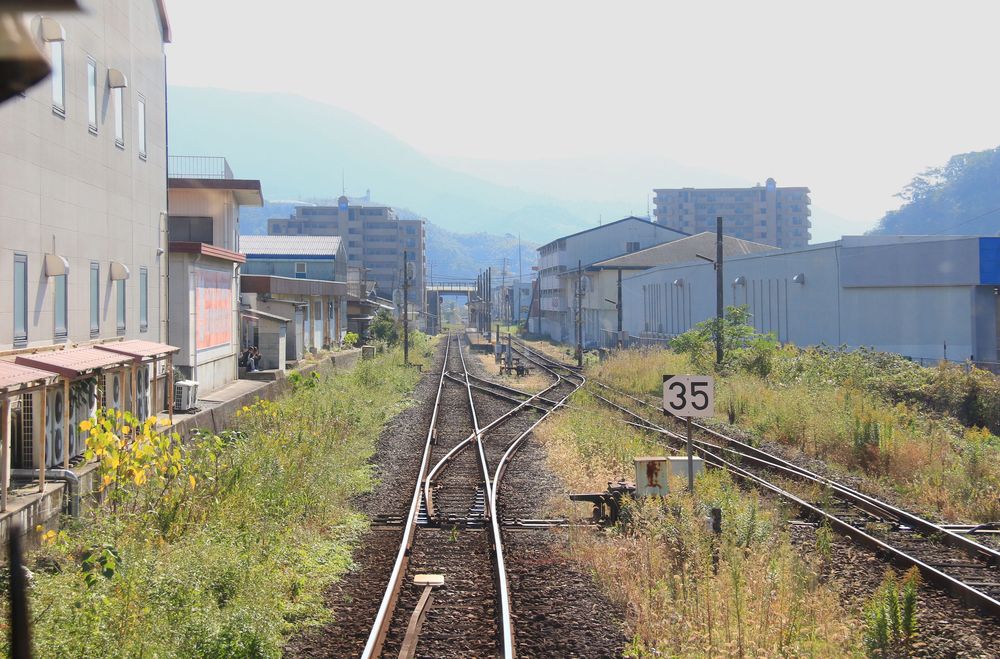
This line in the southwest of the island Shikoku is the only railway link between the prefectures of Ehime and Kôchi. It passes through spectacular scenery, first (coming from Uwajima) it follows the rivers Mitsumagawa and Hiromigawa. In the region of Ekawasaki the Hiromigawa joins the Shimantogawa, coming down from the mountains in the east and then turning south towards the sea at Nakamura, a station on the Tosa Kuroshio Tetsudô. From Ekawasaki onwards the Yodo-sen follows the Shimantogawa all the way up to Kubokawa. Nearing Kubokawa the last station of the Yodo-sen is Iejigawa, from where the train continues to the signal stop at Kawaoku. At Kawaoku trains off the Tosa Kuroshio Tetsudô enter the signal stop after emerging from the 360 degree loop tunnel. From here trains from both lines, the Tosa Kuroshio Tetsudô from Sukumo and Nakamura and the Yodo-sen from Uwajima, continue together to Waka-i and the end stop at Kubokawa.
The Yodo-sen is known for its open truck (a former goods van) attached to the regular trains on certain weekends and giving visitors an impressive ride along the Shimantogawa between Ekawasaki and Tosa Taishô / Tosa Shôwa and Ekawasaki.
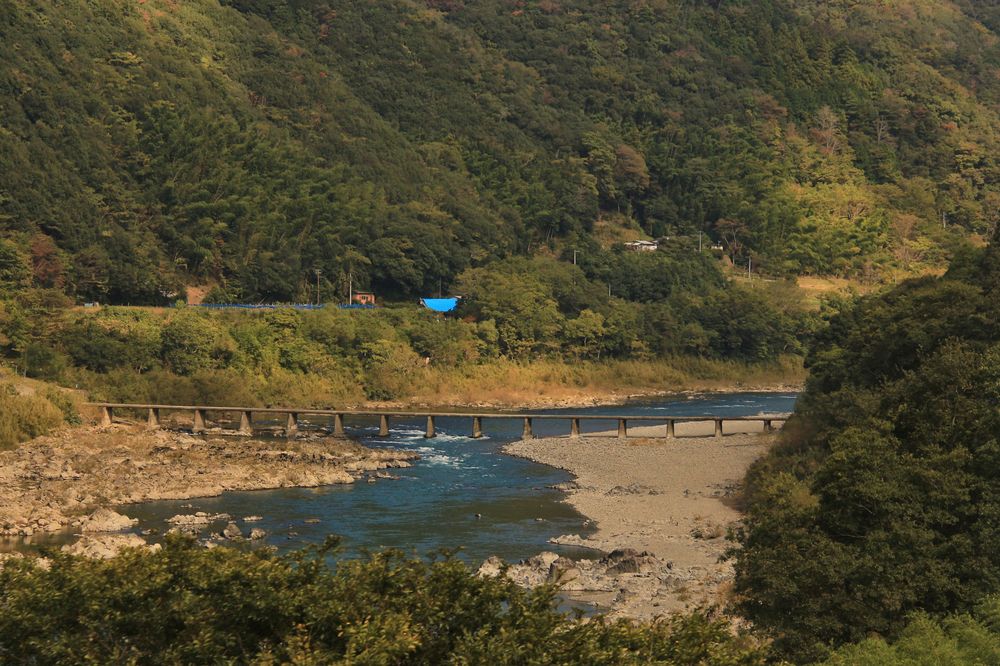
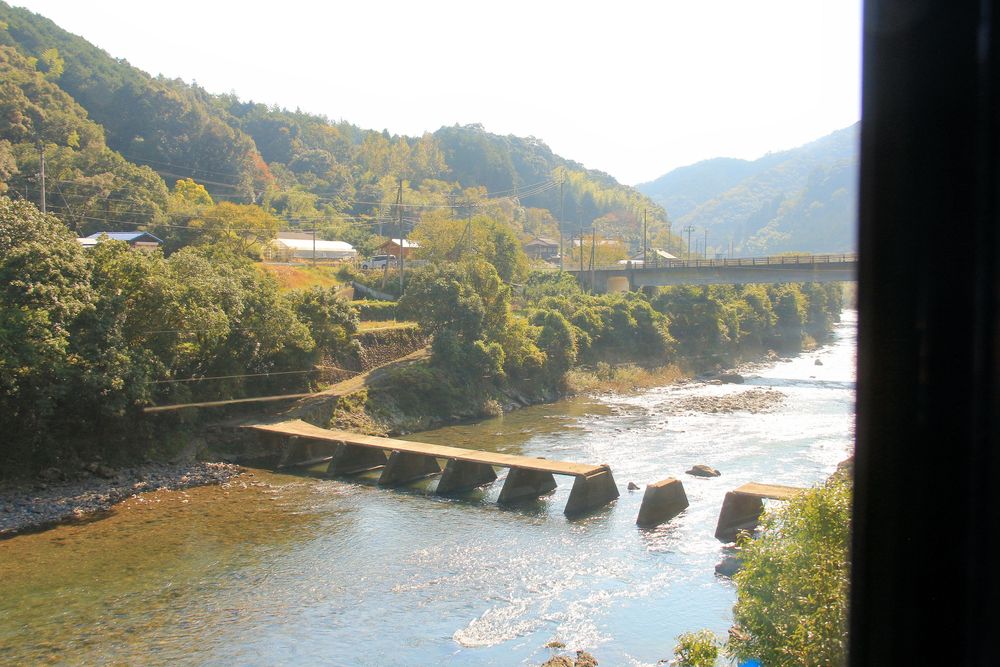
A special feature of the line are the views of chinkabashi (沈下橋), completely flat bridges without any guard rails. During storms and heavy rain these chinkabashi enable the rushing water to pass over the bridges without doing damage to them.
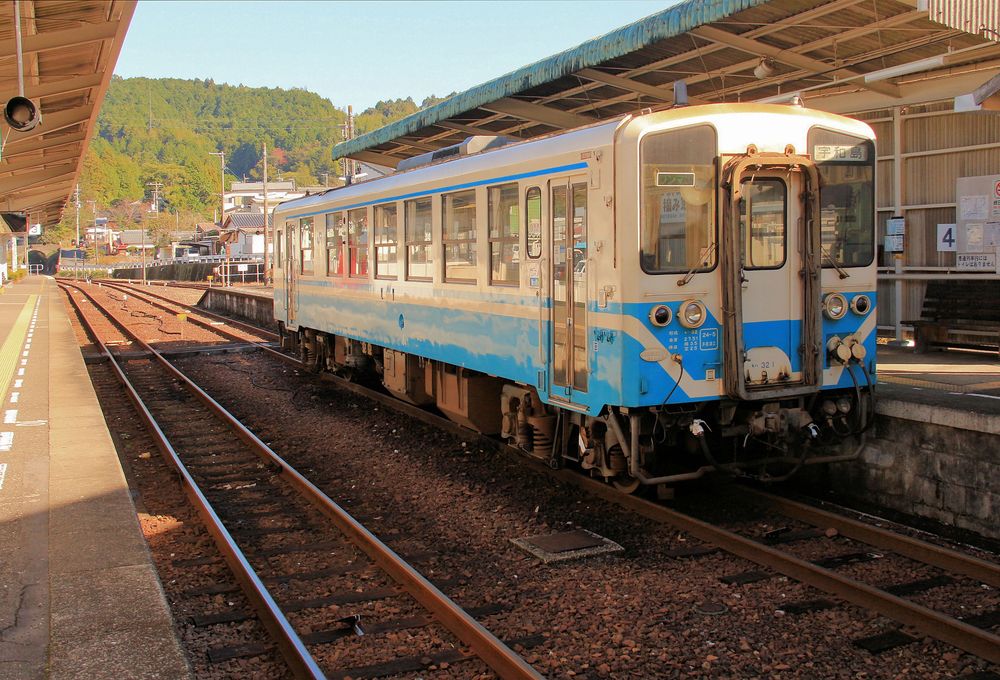
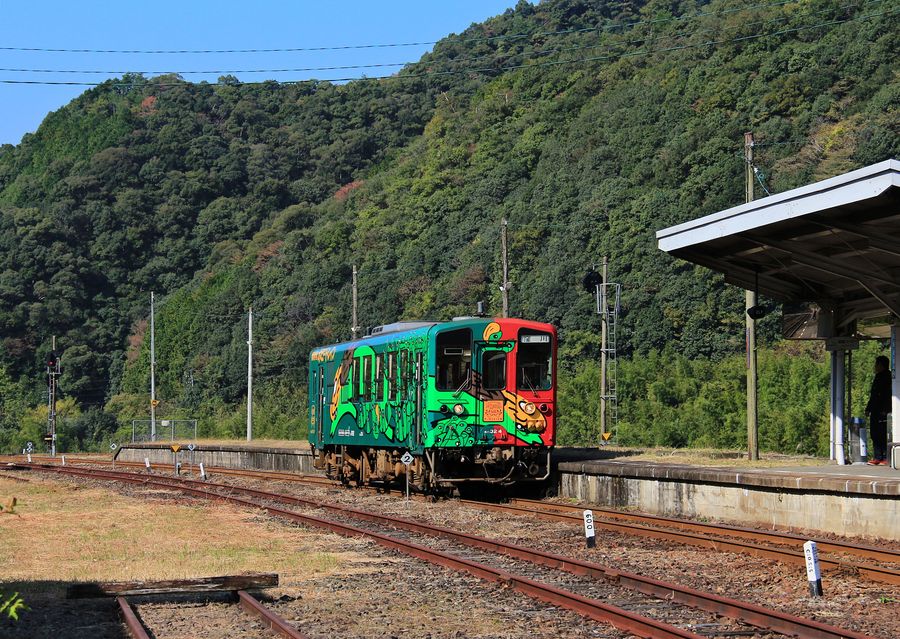
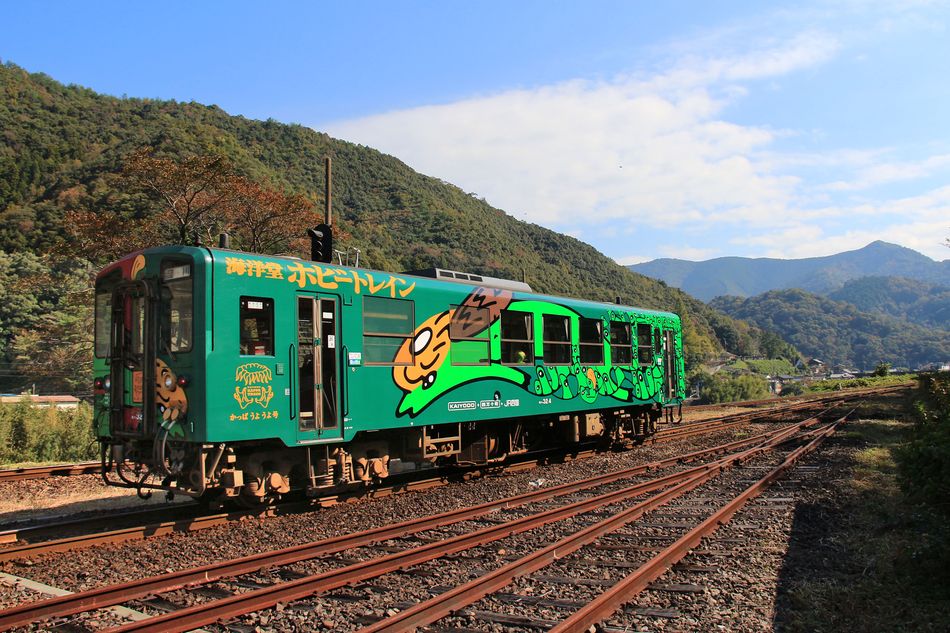
The Yodo-sen is diesel operated and 76, 3 km long. The gauge is 1067 mm. It is actually a very recent line, only having been completed on March 1, 1974. Originally, a light railway (762 mm gauge) operated from Uwajima to Chikanaga as from 1914, and to Yoshinobu as from 1923, called the Uwajima Tetsudô (Uwajima Railway). In 1933 this line was purchased by the state and re-gauged to 1067 mm in 1941. In 1953 it was lengthened to Ekawasaki.
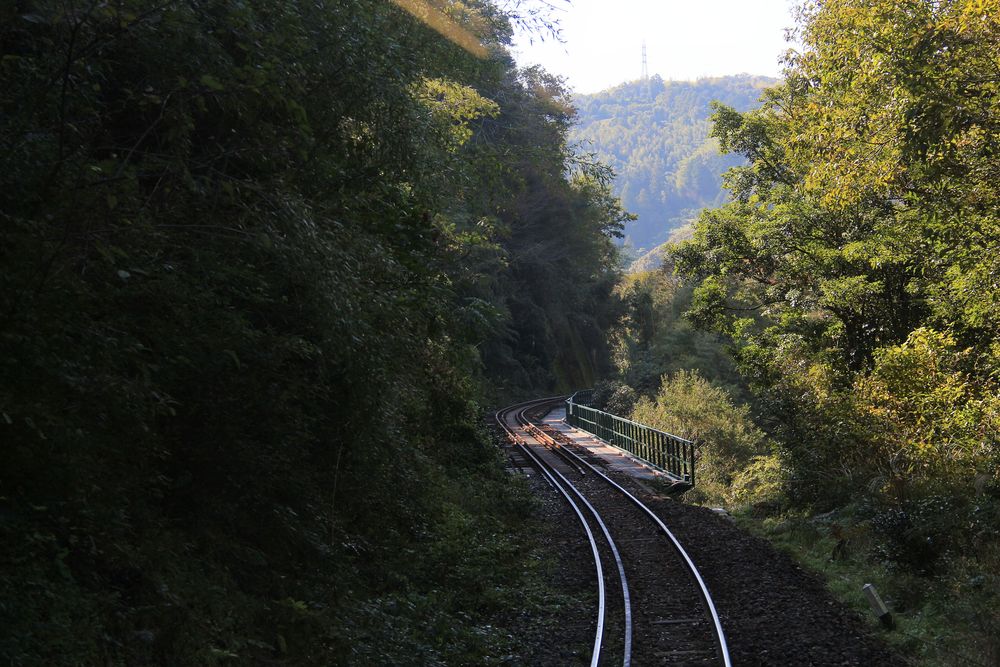
The new section from Ekawasaki onwards, completed in 1974, cuts more or less straight through the mountains, with the Shimantogawa emerging and disappearing as the train works its way in and out of the many tunnels. Traffic is only light and is dwindling steadily. There are 4 trains a day covering the whole line, with another 4 from Uwajima to Ekawasaki and one to Chikanaga.
The name “Yodo-sen” derives from the two characters 予 (yo) and 土 (do). Yo 予stands for Ehime Prefecture, a region which used to carry the name “Iyo” (伊予). Do 土stands for Kôchi Prefecture, a region which used to carry the name “Tosa” (土佐).